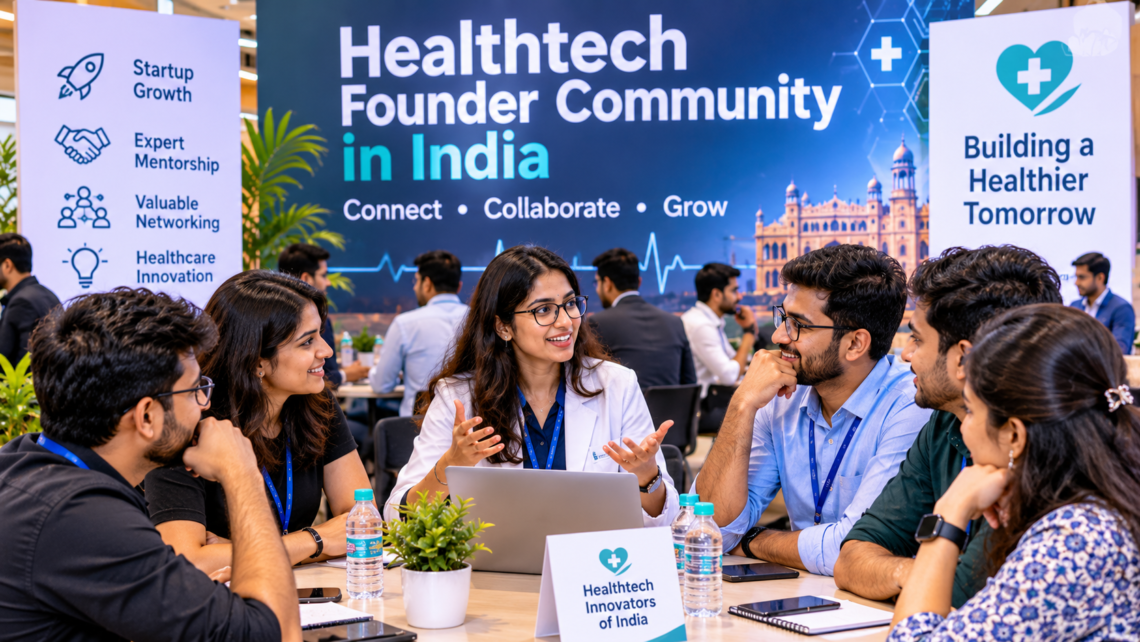
Building a health startup is not like building a food delivery app. A late order is annoying. A wrong health recommendation can hurt someone. Doctors are cautious, hospitals move slowly, patients are wary of sharing personal data and the rules can be hard to read. If you’re running or planning a health startup, a healthtech founder community in India puts you around people who already understand why every step takes longer and matters more.
What Makes Healthtech Different
Most startups can launch quickly and fix things later. In healthcare, you don’t get that freedom. Trust is slow to build. A clinic owner may nod politely at your demo and never call back, because nobody on their staff has time to learn a new system.
Other things pull in the same direction. Health data is highly sensitive, so privacy and security matter from day one. Selling to hospitals can take many months, with several people needing to say yes. Products that touch diagnosis, treatment or medical devices may fall under regulation. And the people you serve, from patients in small towns to busy specialists, often have very different needs from each other.
A general startup group helps with fundraising and hiring. A healthtech group helps with the things that are specific to your field.
What Other Healthtech Founders Can Tell You
The most valuable thing is practical experience. How did someone get their first doctor to try the product? How long did it take to get a hospital pilot approved? Which questions did patients ask before agreeing to share information? What went wrong in the first pilot?
Founders also share introductions. A good clinician adviser is hard to find. Someone in the community may know a doctor who’s happy to give feedback, or a hospital administrator who likes trying new things.
You can also swap notes on hiring. Finding developers who understand healthcare, or clinicians who understand startups, is a common struggle. Others have solved it, and some of them know people.
Then there’s the emotional side. A pilot that stalls, a regulation that changes or a doctor who loses interest are all easier to handle when you can talk to someone who’s seen it before.
Questions Healthtech Founders Ask Each Other
How do I get a first pilot with a clinic or hospital? Who should I talk to about clinical advice before I launch? How do I handle patient data safely? What do doctors really want from a tool, and what do they ignore? How do I price to a small clinic versus a hospital chain? How long should I expect a sales cycle to take? These are hard to answer from a blog post, but a founder who has done it can often give a straight reply.
A Careful Word on Rules
Healthcare in India involves several bodies and rules, and what applies depends on exactly what you build. Telemedicine, medical devices, digital health records, medicines and patient data are all handled differently. The government’s digital health initiatives, privacy law and medical practice guidelines may all be relevant. Treat what you hear in a community as experience, not legal advice. Before you launch anything that touches patient care, data or devices, speak to a qualified lawyer or regulatory adviser and check the current rules from official sources.
Choosing a Community Worth Joining
Look for members who are actively building health products, not just people interested in the sector. A mix of segments helps, because founders working on diagnostics, clinic software, wellness, insurance and elder care learn from each other. Check whether people share failures and not only wins. Look at how seriously the group treats patient privacy and confidentiality. Be careful of communities where every second message is a sales pitch.
It also helps if the group includes a few clinicians or healthcare professionals, because they can tell you quickly if an idea would actually work in a ward or a consulting room.
Getting the Most Out of It
Introduce yourself with something specific. “I’m building appointment software for small dental clinics in Tier-2 cities” is far more useful than “I’m in healthtech.” Ask clear questions, and share what you’ve learned after your own pilots. Be careful never to share identifiable patient information when you describe a problem. Anonymise everything.
Offer to help. If you’ve already dealt with a particular type of hospital or clinic, say so. People remember who helped them.
Mistakes a Community Can Help You Avoid
Building a product without talking to the people who’ll use it daily is common. So is underestimating how long a hospital sale takes, or running out of money while waiting for a pilot to turn into a contract. Founders also launch features that touch clinical decisions without proper medical input, or handle patient data casually. Others copy a Western product without checking whether Indian doctors and patients would use it the same way.
Be Realistic About What a Community Does
It won’t get you a hospital contract or a licence. What it gives you is shorter learning time, honest feedback, useful introductions and company during a long and sometimes frustrating process.
Find Your Circle
If you’re building in health and want honest conversation with other Indian entrepreneurs, YBF (Your Best Friend) is a community where founders share real experience. You can also read more guides on our resource page.
Healthtech is slow, careful work, and that’s as it should be. Founders who last tend to be the ones who listen to clinicians, respect patient data and keep good company along the way.